GAS STOVE HAZARD
THE hidden WAY car emissions CAN KILL YOU.
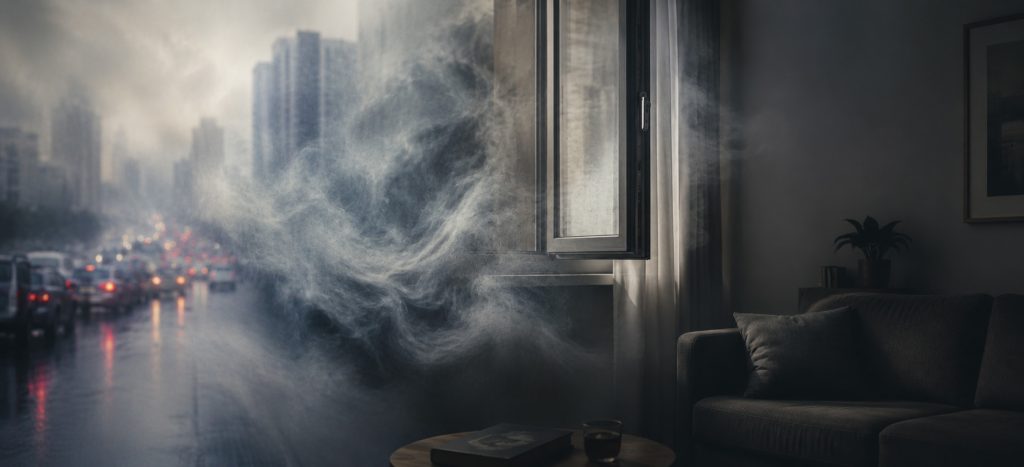
Traffic pollution invades your home—triggering respiratory distress often mistaken for bad indoor air or asthma, while hidden toxins silently block your body’s smallest blood vessels.
Children are among those particularly vulnerable to traffic-related air pollution.

ATP
ATP is the primary energy molecule used by cells. Nearly all cellular functions — including muscle activity, nerve signaling, and repair processes — depend on ATP availability.
Carbon monoxide (CO)
Carbon monoxide is a gas that binds strongly to hemoglobin and interferes with oxygen transport. Even low-level exposure can reduce oxygen delivery to tissues and increase physiological stress.
Cellular energy production
Cellular energy production refers to the processes cells use to generate ATP. Under normal conditions, this mainly occurs through oxygen-dependent mitochondrial respiration.
Chronic hypoxia
Chronic hypoxia means tissues experience long-term reduced oxygen availability. This can force the body into continuous compensatory stress responses and altered metabolism.
Circulation
Circulation is the movement of blood through the body. It delivers oxygen and nutrients to tissues while removing carbon dioxide and waste products.
Compensatory mechanism
A compensatory mechanism is the body’s attempt to maintain stability during dysfunction or stress. These responses may help temporarily, but chronic compensation can eventually contribute to symptoms.
Dysautonomia
Dysautonomia refers to dysfunction of the autonomic nervous system. It can affect heart rate, blood pressure, circulation, digestion, temperature regulation, and stress responses.
Endothelial dysfunction
Endothelial dysfunction means the inner lining of blood vessels no longer regulates circulation normally. This can impair blood flow control, oxygen delivery, vascular relaxation, and microcirculation.
Endothelium
The endothelium is the thin inner lining of blood vessels. It plays a central role in regulating blood flow, vascular tone, inflammation, and oxygen delivery.
Energy deficit
An energy deficit occurs when cells cannot produce enough ATP to meet demand. This can contribute to fatigue, reduced physical capacity, impaired recovery, and physiological stress.
Glycolysis
Glycolysis is a form of energy production that does not require oxygen. It is less efficient than mitochondrial respiration and produces lactate as a byproduct.
Hypoxia
Hypoxia means insufficient oxygen availability at the tissue level. Even when blood oxygen appears normal, impaired circulation can still create localized hypoxia.
Insulin resistance
Insulin resistance occurs when cells respond poorly to insulin signaling. This disrupts glucose regulation and is commonly associated with metabolic dysfunction.
Lactic acid
Lactic acid is produced when cells rely more heavily on glycolysis for energy production. Increased lactic acid production can occur during hypoxia or impaired oxygen utilization.
Lactate
Lactate is a metabolic byproduct generated during glycolysis. Elevated lactate levels may indicate increased reliance on anaerobic energy production.
Metabolic dysfunction
Metabolic dysfunction refers to impaired regulation of energy production and cellular metabolism. It can affect glucose handling, mitochondrial function, circulation, and stress physiology.
Metabolism
Metabolism includes all chemical processes required to maintain cellular function and energy production. It involves how the body uses oxygen, nutrients, and energy.
Microcirculation
Microcirculation refers to blood flow through the body’s smallest vessels, including capillaries. This system is critical for oxygen delivery directly to tissues.
Microvascular dysfunction
Microvascular dysfunction means small blood vessels no longer regulate blood flow properly. This can create uneven oxygen delivery and localized tissue stress.
Mitochondria
Mitochondria are structures inside cells responsible for most ATP production. They generate energy primarily through oxygen-dependent metabolism.
Nitric oxide (NO)
Nitric oxide is a signaling molecule that helps blood vessels relax and regulate circulation. Reduced nitric oxide activity can contribute to vascular dysfunction and impaired blood flow.
Oxidative phosphorylation
Oxidative phosphorylation is the mitochondria’s primary oxygen-dependent energy production pathway. It produces large amounts of ATP under normal physiological conditions.
Oxidative stress
Oxidative stress occurs when reactive oxygen species exceed the body’s antioxidant defenses. Excess oxidative stress can damage cells, blood vessels, and cellular signaling systems.
Oxygen delivery
Oxygen delivery refers to the transport of oxygen from the lungs to tissues. This depends on blood flow, hemoglobin function, vascular regulation, and microcirculation.
Parasympathetic nervous system
The parasympathetic nervous system supports recovery, repair, digestion, and energy conservation. It is often described as the body’s “rest and recovery” system.
Perfusion
Perfusion refers to blood flow reaching tissues and organs. Reduced perfusion can impair oxygen and nutrient delivery even when circulation is still present.
Physiological stress
Physiological stress refers to biological strain placed on the body. This can result from impaired oxygen delivery, metabolic imbalance, inflammation, or chronic compensation.
Redox balance
Redox balance refers to the balance between oxidation and antioxidant defense systems. Disruption of redox balance can contribute to oxidative stress and cellular dysfunction.
Sympathetic nervous system
The sympathetic nervous system activates the body’s stress response. It increases heart rate, blood pressure, alertness, and circulatory compensation during physiological stress.
Tissue hypoxia
Tissue hypoxia means specific tissues are not receiving sufficient oxygen. This may occur even when standard oxygen measurements appear normal.
Vasoconstriction
Vasoconstriction means blood vessels narrow. This can reduce blood flow to tissues and increase circulatory resistance.
Vasodilation
Vasodilation means blood vessels relax and widen. This improves blood flow, oxygen delivery, and tissue perfusion.
The information provided here is for educational purposes only and is not intended as medical advice. Some content discusses hypotheses and proposed biological mechanisms based on an integration of published research. It should not be used to diagnose, treat, cure, or prevent any medical condition. Use this information as a starting point for discussion with a qualified healthcare provider before making decisions about medications, supplements, devices, or changes to your health regimen. See full disclaimer and ai disclosure.
GAS STOVES — EVERYDAY CARBON MONOXIDE EXPOSURE?
Gas Cooking Releases Combustion Products Directly Into the Home
Natural gas and propane are burned directly inside the kitchen. This combustion produces several air pollutants, including nitrogen dioxide (NO₂), carbon monoxide (CO), particulate matter, formaldehyde and, as newer research has shown, benzene.
Much of the recent discussion about gas stoves has focused on NO₂ and benzene. Carbon monoxide has received less attention, even though it is a well-established product of gas combustion and is routinely measured in homes using gas appliances.
Unlike an occasional environmental exposure, cooking can occur every day. A person who cooks breakfast, lunch and dinner with gas may therefore experience repeated combustion-related exposure inside the home throughout the week.
How Much Carbon Monoxide Can a Gas Stove Produce?
Carbon monoxide levels from gas appliances vary enormously depending on the burner, adjustment of the flame, ventilation, room size, duration of use and condition of the appliance.
The U.S. Environmental Protection Agency reports:
- Homes without gas stoves: approximately 0.5–5 ppm CO
- Near properly adjusted gas stoves: often 5–15 ppm CO
- Near poorly adjusted gas stoves: 30 ppm or higher
These values are particularly important because they show that measurable carbon monoxide is not limited to a broken appliance or an obvious poisoning event. Even a properly operating gas stove can create concentrations in the several-ppm range near the source.
Real-world measurements support this. A recent residential kitchen study found that gas-stove use produced the largest deterioration in measured kitchen air quality among the activities studied, including an average 24.4% increase in CO during gas-stove use.
A study of hundreds of Canadian homes similarly found that having a gas stove was associated with a 43% increase in peak hourly CO concentrations during winter.
The WHO 24-Hour Guideline Is About 3.5 ppm
The World Health Organization recommends a 24-hour carbon monoxide guideline of 4 mg/m³, which is approximately 3.5 ppm under normal indoor conditions.
This number must be interpreted correctly. A measurement of 10 ppm beside a stove for a short period is not the same as a 24-hour average of 10 ppm. Short cooking peaks and daily averages are different measurements.
But repeated peaks matter because every period of elevated CO contributes to the total daily exposure. If cooking occurs repeatedly, ventilation is poor, or CO from one cooking period has not fully cleared before the next exposure begins, the average exposure over the day rises.
WHO 24-hour guideline: approximately 3.5 ppm CO average
The important question is therefore not only “How high does CO rise while the stove is burning?” but also “How often does this happen, how long does the CO remain in the home, and what is the total exposure over the entire day?”
Carbon Monoxide Has Been Known About for Decades — But Mostly Through Acute Poisoning
Carbon monoxide from gas appliances is not a newly discovered problem. What has changed much less is the way its health significance is usually assessed.
Conventional carbon monoxide toxicology focuses heavily on carbon monoxide binding to hemoglobin, forming carboxyhemoglobin (COHb), reducing the oxygen-carrying capacity of blood and eventually causing tissue hypoxia. This explains the major features of acute carbon monoxide poisoning.
However, carbon monoxide does not interact only with hemoglobin. It is distributed throughout the body and can also bind to other heme-containing proteins, including cytochrome c oxidase in mitochondria. Official toxicological guidance recognizes that non-hypoxic mechanisms can also contribute to carbon monoxide toxicity.
This distinction matters when considering repeated low-level exposure. A concentration may be far below the level expected to cause dramatic acute CO poisoning while carbon monoxide molecules are still entering the bloodstream and tissues.
Biological Effects Have Been Observed Below Traditional Acute Poisoning Levels
Experimental research shows that biological effects of carbon monoxide occur well below the concentrations normally associated with collapse, unconsciousness or fatal poisoning.
In one chronic low-level animal study, exposure to 25 ppm CO increased several markers of oxidative stress. Nitrotyrosine increased significantly, including within blood vessels, indicating that biological changes were occurring during prolonged exposure at this concentration.
Separate experiments using isolated human muscle mitochondria demonstrated direct inhibition of mitochondrial cytochrome c oxidase. After five minutes of experimental CO exposure, cytochrome c oxidase activity decreased by approximately:
- 20% at 50 ppm
- 42% at 100 ppm
- 55% at 500 ppm
These mitochondrial experiments were performed in vitro, so 50 ppm in the experiment cannot be interpreted as equivalent to breathing 50 ppm room air. Likewise, the 25 ppm animal study cannot establish a human household safety threshold.
What these studies demonstrate is something more fundamental: carbon monoxide has direct biological effects beyond simply producing very high COHb during acute poisoning.
Gas-Stove Exposure and Experimental Effect Levels Are Not Completely Separate Worlds
EPA reports 5–15 ppm near properly adjusted gas stoves and 30 ppm or more near poorly adjusted appliances. Experimental biological effects have been demonstrated in the tens-of-ppm range, although under very different experimental conditions.
This does not prove that normal gas cooking at 5 ppm causes the same effects observed experimentally at 25 or 50 ppm. It does show why repeated household exposure deserves attention rather than being dismissed simply because concentrations are far below those associated with immediate carbon monoxide poisoning.
The exposure pattern is also fundamentally different. A poisoning accident may involve one large exposure. A gas stove can create small, repeated exposures every day for years.
Gas Stoves Are Already Linked to Health Problems
Gas cooking has repeatedly been associated with respiratory effects, particularly in children. A large meta-analysis found that children exposed to gas cooking had higher odds of asthma, although the studies could not determine which individual combustion pollutant was responsible.
A later U.S. analysis estimated that 12.7% of current childhood asthma could be statistically attributable to gas-stove use based on gas-stove prevalence and previously reported asthma associations. That estimate has been debated because a population-attributable fraction depends on assumptions about causality, and later reviews have warned against interpreting it as proof that gas stoves directly cause exactly 12.7% of childhood asthma.
The broader finding nevertheless remains important: gas cooking has repeatedly been associated with childhood respiratory disease.
Most discussions of this relationship focus particularly on NO₂. That is reasonable because gas stoves can produce substantial NO₂ exposure and NO₂ has established respiratory effects. But children using the same kitchen are not exposed to NO₂ alone. Gas combustion produces a mixture that can also contain carbon monoxide, benzene, particles and other combustion products.
A gas stove does not expose a person to one pollutant. It creates a repeated mixture of combustion pollutants inside the living environment.

New Research Has Increased Concern About Other Gas-Stove Pollutants
Recent research has shown that gas and propane stoves can generate benzene at concentrations capable of spreading beyond the kitchen and remaining elevated elsewhere in the home for hours.
Other studies have found that typical gas cooking can substantially increase indoor NO₂ exposure. These findings have driven much of the recent concern about gas stoves.
Carbon monoxide has not received the same renewed attention because its presence was already known and its risk continues to be discussed largely through the traditional framework of acute CO poisoning.
But the fact that CO is an old, familiar pollutant does not mean every biological consequence of repeated low-level exposure has already been established.
Ventilation Changes the Exposure
A range hood vented outdoors can remove part of the pollution generated during cooking. Opening windows and increasing air exchange can also reduce indoor concentrations.
However, ventilation does not change what the flame produces. It changes how quickly those combustion products are removed from the room.
The effectiveness of range hoods also varies considerably according to airflow, installation, burner position and whether the hood actually exhausts outdoors. Gas combustion still occurs inside the home, and whatever is not captured by ventilation remains available to spread through the indoor environment.
Sources
U.S. Environmental Protection Agency. (2026, July 15). Carbon monoxide’s impact on indoor air quality. U.S. Environmental Protection Agency. https://www.epa.gov/indoor-air-quality-iaq/carbon-monoxides-impact-indoor-air-quality
World Health Organization. (2021). WHO global air quality guidelines: Particulate matter (PM₂.₅ and PM₁₀), ozone, nitrogen dioxide, sulfur dioxide and carbon monoxide. World Health Organization. https://www.who.int/publications/i/item/9789240034228
Yu, G., Zhang, G., Poslad, S., Fan, Y., & Xu, X. (2024). A study of quantifying the influence of kitchen human activity on indoor air quality dynamics. Environmental Pollution, 362, 124900. https://doi.org/10.1016/j.envpol.2024.124900
Sun, L., Héroux, M.-È., Xu, X., & Wheeler, A. J. (2025). Associations between residential fossil fuel combustion and indoor concentrations of nitrogen dioxide, carbon monoxide, and aldehydes in Canadian homes. Journal of Exposure Science & Environmental Epidemiology, 35, 649–660. https://doi.org/10.1038/s41370-025-00762-6
Agency for Toxic Substances and Disease Registry. (2012). Toxicological profile for carbon monoxide. U.S. Department of Health and Human Services, Public Health Service. https://www.ncbi.nlm.nih.gov/books/NBK153693/
Alonso, J.-R., Cardellach, F., López, S., Casademont, J., & Miró, O. (2003). Carbon monoxide specifically inhibits cytochrome c oxidase of human mitochondrial respiratory chain. Pharmacology & Toxicology, 93(3), 142–146. https://doi.org/10.1034/j.1600-0773.2003.930306.x
Lopez, I. A., Acuna, D., Beltran-Parrazal, L., Lopez, I. E., Amarnani, A., Cortes, M., & Edmond, J. (2009). Evidence for oxidative stress in the developing cerebellum of the rat after chronic mild carbon monoxide exposure (0.0025% in air). BMC Neuroscience, 10, 53. https://doi.org/10.1186/1471-2202-10-53
Lin, W., Brunekreef, B., & Gehring, U. (2013). Meta-analysis of the effects of indoor nitrogen dioxide and gas cooking on asthma and wheeze in children. International Journal of Epidemiology, 42(6), 1724–1737. https://doi.org/10.1093/ije/dyt150
Gruenwald, T., Seals, B. A., Knibbs, L. D., & Hosgood, H. D., III. (2023). Population attributable fraction of gas stoves and childhood asthma in the United States. International Journal of Environmental Research and Public Health, 20(1), 75. https://doi.org/10.3390/ijerph20010075
Kashtan, Y. S., Nicholson, M., Finnegan, C., Ouyang, Z., Lebel, E. D., Michanowicz, D. R., Shonkoff, S. B. C., & Jackson, R. B. (2023). Gas and propane combustion from stoves emits benzene and increases indoor air pollution. Environmental Science & Technology, 57(26), 9653–9663. https://doi.org/10.1021/acs.est.2c09289
site updates
The site is continuously updated.
Sources are under review, content will be added to existing topics, and more images will be brought to the site later.
NEW CONTENT COMING:
- News
– Rights to clean air